Gardening Hayes — Recycling and Sustainability in Our Green Waste Areas
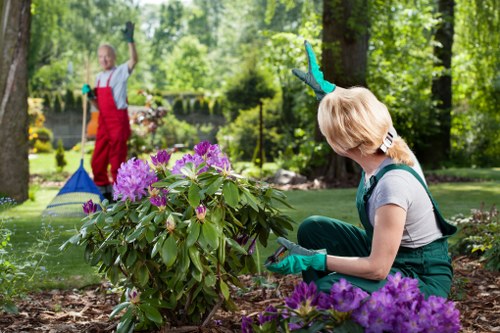 Gardening Hayes is committed to creating an eco-friendly waste disposal area and a sustainable rubbish gardening area across the borough. Our approach balances practical garden waste removal with long-term environmental goals. We operate a clear recycling percentage target and a progressive plan to reduce landfill through separation, reuse and community partnerships. This page outlines how we manage green waste disposal, reuse bulky items, and support local charities while investing in low-carbon vans and cleaner collection methods.
We work with local authorities that follow the boroughs' approach to waste separation — typically a two-bin or three-bin system, incorporating a food caddy, mixed recycling and garden waste bins. In areas with kerbside organics collection, we prioritise composting and on-site bio-processing. Our sustainable garden waste area strategy combines household-level separation with centralised processing at transfer stations to keep materials in a circular loop.
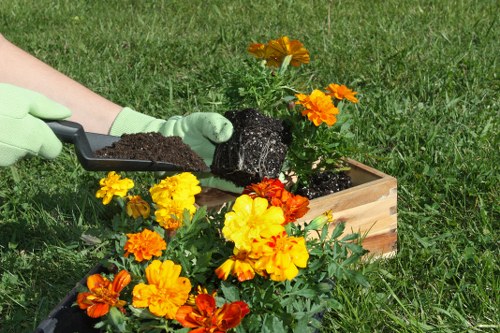 Our short-term recycling percentage target is to achieve 70% diversion of garden and household recyclable materials from landfill by 2030. This target covers compostables, wood and timber from garden clearances, paper, glass and plastics collected through mixed-recycling services. Reaching this goal means working closely with residents, borough collection teams and local transfer stations to ensure materials enter the correct stream and are processed efficiently.
To support a low-impact eco friendly waste disposal system, we maintain scheduled transfers to certified local transfer stations where green waste is bulked and prepared for composting or mulching. These transfer hubs are vital for transforming cuttings, leaves, soil and woody material into usable products for parks and community gardens. Our logistics are designed to reduce double-handling and to keep organic material free from contamination.
Key recycling activities we support include:
- Garden waste composting and mulching for municipal landscaping
- Wood chipping and reuse of timber for local projects
- Separation of food caddy contents where borough collections exist
- Bulky green waste reuse and redistribution through charity partnerships
- Mixed recycling sorting for paper, glass, plastics and metals
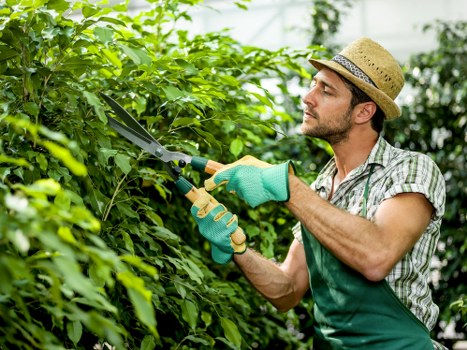 We place a strong emphasis on partnering with local charities and community organisations to give unwanted but reusable materials a second life. Through these partnerships, lawn furniture, planters and usable timber often go to community allotments, repair cafes or reuse centres. These collaborations reduce waste, help vulnerable residents access low-cost gardening supplies, and support local eco projects without relying on landfill or incineration.
Our fleet strategy focuses on low-emission collections. We use a mix of electric and hybrid vehicles for short runs within town centres and low-carbon vans for larger garden clearances. Route optimisation software helps us minimise mileage and idling time, while scheduled pick-ups reduce the frequency of partial-load journeys. The result is a measurable reduction in transport-related emissions for each cubic metre of green waste collected.
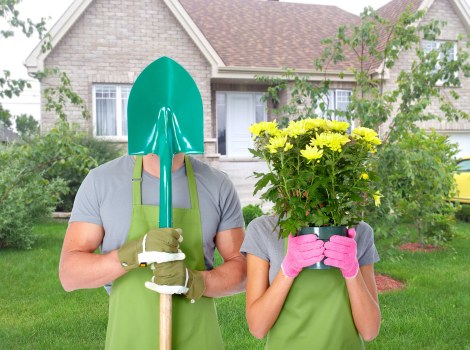
How the sustainable rubbish gardening area works
At the core of our sustainable rubbish gardening area is contamination control. We train crews and supply clear guidance — often aligned with borough collection standards — so residents know how to separate garden waste, food scraps and recyclables. Where local councils operate a three-stream model (organics, recyclables and residual), we provide tailored collection plans that integrate with civic services for efficient processing.
Community engagement and measurable outcomes
We run seasonal awareness campaigns and provide resources to community groups (without offering formal guides) that encourage composting at home, correct use of garden bins, and donation of usable items. Our monitoring programme tracks tonnage diverted, vehicle emissions saved and the volume of materials redirected to charity partners. These KPIs support our stated goal of reaching the 70% recycling rate for green and mixed recyclables by 2030, with interim milestones reviewed annually.
Beyond collections, Gardening Hayes invests in best-practice processing: partnering transfer stations that perform mechanical composting, windrow maturation and quality assurance testing to ensure end-products meet soil amendment standards. Strong quality control prevents contaminants from entering compost streams and ensures materials are safe for reuse in public spaces and private allotments.
Our charity collaborations extend to donation networks and reuse centres that accept salvageable planters, tools and garden furniture. These partnerships not only reduce waste but also create social value by supporting community gardening projects and local environmental initiatives. We work closely with reuse hubs to match items from clearances to demand, favouring local redistribution over disposal.
In summary, Gardening Hayes' sustainable approach to the eco-friendly waste disposal area and the sustainable rubbish gardening area combines a clear recycling percentage target, practical links with local transfer stations, charity partnerships for reuse, and a low-carbon vehicle fleet. Together, these elements make our green waste services cleaner, more efficient and better for the environment now and for future generations.