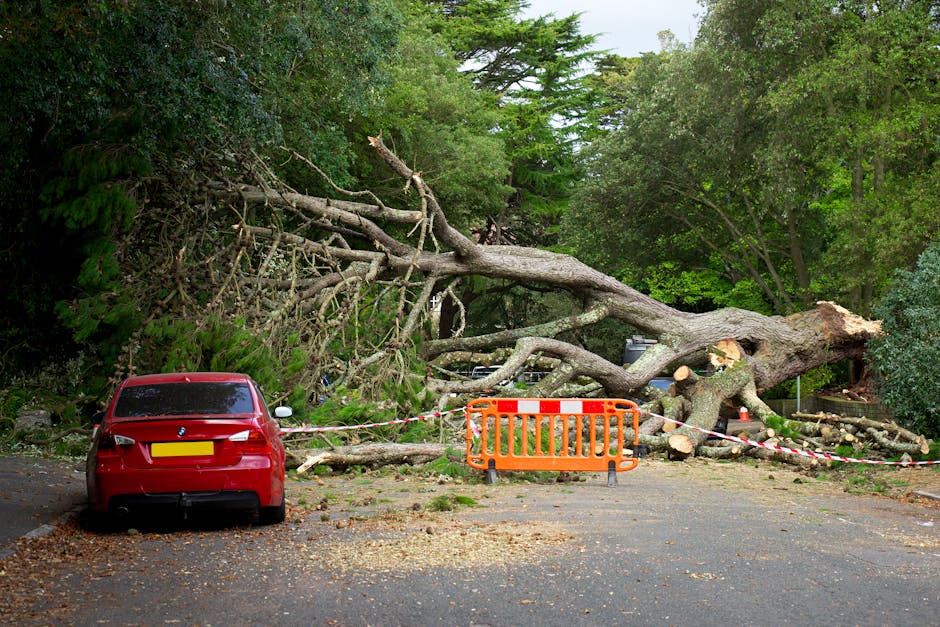
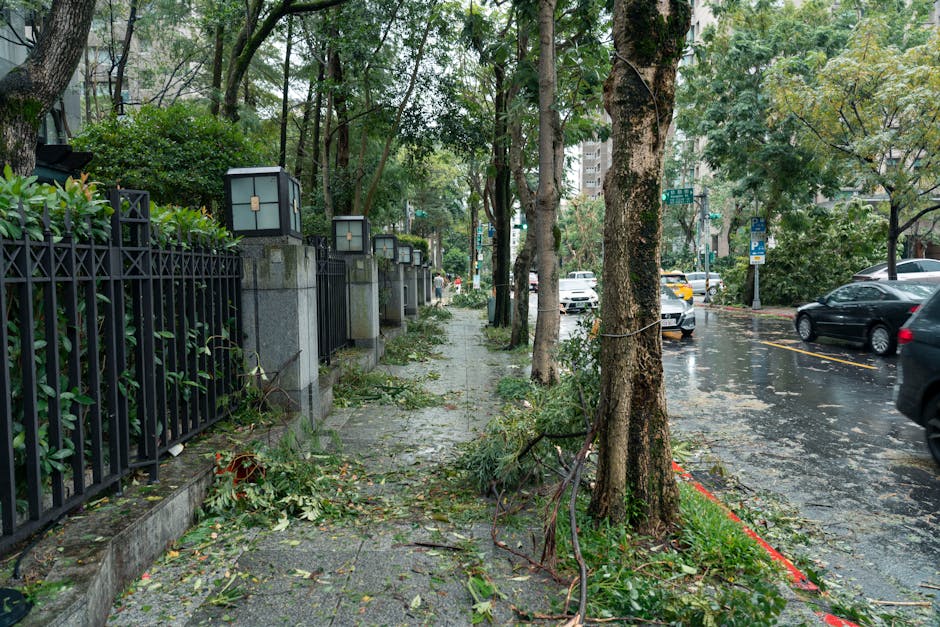
Same day gardeners in Hayes for storm damaged gardens
When a storm has torn through your outdoor space, the garden can go from tidy to chaotic in minutes. Branches are scattered, fences are leaning, turf is sodden, and the path you used yesterday looks more like a slip hazard than a walkway. If you need same day gardeners in Hayes for storm damaged gardens, speed matters, but so does doing the job properly. A rushed tidy-up that misses broken limbs, unstable trees, or hidden debris can leave you with more problems later on.
This guide explains what same-day storm damage garden help actually involves, how the process works, who needs it most, and what to expect from a reliable local service in Hayes. It also covers practical safety checks, common mistakes, and the sort of follow-up work that can turn a battered garden back into something usable again. Let's face it, after a rough night of wind and rain, you want clear answers, not waffle.
If you are also thinking beyond emergency clearance and into longer-term repair, you may find it useful to look at garden clearance, tree lopping and removal, or broader garden maintenance once the immediate mess is under control.
Table of Contents
- Why same-day storm damage garden help matters
- How the same-day service works
- Key benefits and practical advantages
- Who this is for and when it makes sense
- Step-by-step guidance
- Expert tips for better results
- Common mistakes to avoid
- Tools, resources and recommendations
- Law, compliance, standards and best practice
- Options, methods and comparison
- Case study or real-world example
- Practical checklist
- Conclusion
- Frequently asked questions
Why Same day gardeners in Hayes for storm damaged gardens Matters
Storm damage is not just an eyesore. It can quickly become a safety issue, a neighbour issue, and a property maintenance issue all at once. In a local area like Hayes, where gardens are often compact and boundaries sit close to paths, sheds, fences, and neighbouring plots, one fallen branch or unstable shrub can affect more than one space.
The biggest reason same-day support matters is simple: dangerous conditions worsen the longer they sit. Heavy branches can shift after the first gust. Waterlogged ground can turn into a slippery surface. Broken fencing can expose pets, children, or rear access routes. And if a tree has partially failed, the risk is not always obvious from ground level. You might look out in daylight and think, "It's only a few twigs." Then you get closer and realise the limb is split clean through. Not ideal.
A prompt visit also helps stop secondary damage. For example, a branch resting on a trellis can keep flexing against it, causing the damage to spread. Torn climbers, crushed plants, and blocked drains can become an expensive little chain reaction if left alone. A same-day gardener is there to reduce the immediate risk, clear the access points, and help you decide what needs attention now and what can wait.
Expert summary: same-day storm response is about stabilising the garden first, clearing hazards second, and restoring normal use third. That order matters more than speed alone.
If your storm damage includes broken timber structures, slippery decking edges, or loose surface areas, a look at decking services or landscaping may be relevant after the emergency clean-up. The point is not to overbuild the response. It is to make the garden safe, then sensible, then presentable.
How Same day gardeners in Hayes for storm damaged gardens Works
Same-day garden help usually follows a practical, fast-moving sequence. It is not a magic wand, and it is not always a full restoration in one visit. More often, it is an emergency response with a clear plan attached.
1. Initial call or message
You explain what happened, what time the storm hit, and what the visible damage looks like. Good detail helps. Mention fallen branches, damaged fencing, leaning trees, blocked gates, damaged beds, or standing water. If there are immediate hazards, say so. Is there a tree across a path? Is access blocked? Is anything touching a building or power line? Those details change priority fast.
2. Triage and likely priority assessment
A reliable gardener will normally work out whether the job needs urgent attendance, a same-day tidy-up, or a scheduled follow-on visit. A small amount of leaf and branch debris is one thing. A half-uprooted tree is another. Honest triage helps avoid overpromising. And frankly, that honesty is a good sign.
3. Arrival with appropriate equipment
Depending on the damage, the team may bring cutting tools, tarpaulins, wheelbarrows, rakes, loppers, secateurs, and waste bags or bins. For heavier work, they may also need equipment for larger branch removal or safe dismantling of damaged growth. The right kit saves time and reduces the chance of making a mess of the rest of the garden.
4. Safety-first clearance
The first job is usually to make the area safe. That means removing loose debris, checking for unstable limbs, clearing walkways, and securing obvious hazards. If a tree or large branch looks unsafe, the work may pause until it can be handled correctly. That is not hesitancy. It is professionalism.
5. Sorting and separating waste
Storm waste is often mixed: wood, soft green waste, damaged pots, broken canes, and bits of fencing. Separating what can be reused, recycled, or removed is part of efficient clean-up. For larger jobs, a specialist garden clearance approach is often the most practical way to deal with the volume.
6. Temporary stabilisation or tidy finish
Sometimes a same-day response includes temporary fixes: tying back shrubs, propping a bent but viable plant, or clearing around a compromised area so it can dry out and be assessed properly later. Not every problem needs permanent intervention immediately. In fact, a quick patch is often smarter if weather is still unsettled.
Key Benefits and Practical Advantages
There are practical benefits here, yes, but the real value is peace of mind. When your garden has taken a hit, it helps enormously to know someone can come out quickly and work through the mess with a steady hand.
- Reduced risk of injury: Fallen branches, broken pots, and slippy surfaces are sorted before someone trips or slips.
- Faster recovery: Clearing the worst damage early helps the garden dry out and recover sooner.
- Better decision-making: Once debris is removed, it is much easier to see what is actually damaged.
- Less stress for homeowners: Storm aftermath is tiring. Having help on the same day takes a weight off.
- Protection for boundaries and access: Loose fencing, blocked gates, and damaged entry points can be dealt with promptly.
- More efficient follow-up work: Once the urgent issues are handled, future repairs become simpler and cheaper to plan.
There is also a less obvious benefit: a tidy, hazard-free garden gives you breathing room. You stop reacting to the storm and start thinking clearly about what comes next. That shift matters more than people realise.
Who This Is For and When It Makes Sense
Same-day storm damage garden support is not just for dramatic cases with trees across the lawn. It makes sense for anyone dealing with urgent outdoor disruption where safety, access, or property condition is affected.
It is a good fit if you have:
- fallen branches blocking a patio, drive, or rear access
- damaged hedges or shrubs hanging into a pathway
- soil washed away from beds or borders
- broken trellis, damaged fence panels, or loosened garden structures
- large amounts of leaf litter, twigs, and scattered debris
- branch weight pulling down climbers or young trees
- standing water around lawn edges or hard landscaping
It is especially sensible when:
- you need the space safe for children, pets, customers, or visitors
- you are preparing for a property inspection, tenancy handover, or house viewing
- you need to restore access after a storm before the next day
- the damage is too much for one person to clear safely
For some homes, the urgency comes from practical routine rather than dramatic damage. A restaurant back yard, rented property, or shared access garden cannot always wait a week. Same-day help keeps small disruptions from snowballing into a bigger headache. To be fair, that is often the whole job.
Step-by-Step Guidance
If you want the fastest, cleanest result, a simple plan helps. You do not need to know every technical detail. You do need to know what to look at first.
- Check the garden from a safe distance. Do not walk under leaning branches or stand beneath anything that looks split, twisted, or hanging loose.
- Identify urgent hazards. Note any blockages, unstable features, pooling water, broken glass, or damage near doors and paths.
- Take a few photos. This helps explain the scale of the job and makes quoting easier.
- Separate urgent from non-urgent damage. A broken planter can wait. A branch across an exit cannot.
- Request same-day attendance if needed. Be clear that the priority is safety and access, not just general tidying.
- Clear the immediate approach only if safe. Remove small debris by hand if it is obvious and harmless, but do not force heavy branches or unstable pieces.
- Ask for a short action plan on arrival. A good gardener should explain what they will do first, what can be removed, and what should be assessed again later.
- Plan follow-up work. Once the garden is safe, schedule any repairs, replanting, pruning, or maintenance needed next.
If the damage includes overgrown or snapped hedging, a follow-up visit for hedge trimming can restore shape and remove torn growth that storm winds often leave behind. If trees are part of the issue, tree lopping and removal may be the safer next step. The same goes for larger outdoor refreshes where structure and planting both need attention.
Expert Tips for Better Results
Storm damage jobs go more smoothly when the information you give at the start is clear. In our experience, the quickest jobs are not always the simplest ones; they are the ones where the homeowner explains the problem in plain language and does not wait until the last minute to mention the awkward bit at the back of the garden.
Be precise about the hazard
Say whether it is a loose branch, a completely fallen tree, a leaning fence, or a soggy lawn with debris on top. The difference matters for equipment, time, and safety planning.
Focus on access first
If the back gate is blocked or the path is hazardous, say that early. Access can shape the whole visit. A team may need to clear the route before it can do anything else.
Keep pets and children away from the work area
Even a tidy-looking storm job can hide sharp edges, slippery patches, or unstable cut material. Better safe than sorry. No prizes for letting the dog wander into a pile of thorny clippings.
Ask whether waste removal is included
Some services deal with the debris on the spot. Others may clear and stack for later collection. It is worth asking. A garden that looks clean but still has a heap of wet branches in the corner is not really finished.
Think about drainage after the storm
Heavy rain can reveal compacted soil, blocked beds, or poor runoff. If water is pooling in the same place each time it rains, there may be a landscaping issue underneath the obvious mess.
Use the clean-up to assess the bigger picture
Sometimes storm damage exposes deeper wear: weak posts, thin turf, tired shrubs, or garden edges that were already failing. This is a good moment to spot what needs repair before the next weather front rolls in.
Common Mistakes to Avoid
People often make the same few mistakes after a storm. None of them are unusual. They are just very human.
- Touching unstable branches too early: A branch can shift without warning once you move the wrong piece.
- Assuming everything is cosmetic: Some damage looks mild but is actually structural.
- Trying to clear too much by hand: Wet timber and tangled growth are awkward and tiring. Sometimes plainly unsafe.
- Ignoring hidden hazards: Broken edging, buried debris, and cracked pots can cause cuts and trips later.
- Delaying action because the weather has calmed: Calmer air does not mean the garden is safe.
- Forgetting to check adjacent damage: A fallen branch can affect a fence panel, shed roof, or nearby planting bed too.
One small but important point: do not assume a tree or large shrub is stable just because it is still standing. A partial root lift can be deceptive. It looks fine until it really, really doesn't.
Tools, Resources and Recommendations
You do not need a garage full of professional kit to respond well to storm damage, but the right tools make a huge difference.
Useful tools for minor safe clean-up
- strong gloves
- rake and leaf grabber
- loppers or secateurs for small stems
- sturdy refuse sacks
- tarpaulin for damp debris
- boots with proper grip
- torch for early morning or evening checks
What professionals often rely on
- cutting tools suited to branch size
- protective equipment
- wheelbarrows or clear-up containers
- tie materials for temporary support
- waste sorting for green material and general garden waste
If you need a broader tidy-up after the initial emergency, it can help to review services overview so you can see how clearance, pruning, maintenance, and landscaping work together rather than separately. The garden often needs a sequence, not a single fix.
And if the storm has left behind damaged surfaces or areas that need rebuilding rather than just clearing, you may also want to consider whether landscape gardening is the more suitable next stage. Not every problem is solved by a rake and a bucket. Though, wouldn't that be nice.
Law, Compliance, Standards and Best Practice
For storm-damaged gardens, the most relevant guidance is usually practical rather than complicated. In the UK, garden work should be carried out with reasonable care for safety, property, and waste handling. That means avoiding reckless pruning, using equipment properly, and not creating new hazards while clearing existing ones.
Where larger trees or damaged timber are involved, best practice is to stop and assess rather than force a quick solution. A cautious approach is usually the right one if a tree looks structurally unsound, is leaning unexpectedly, or may affect boundaries and access. If there is any chance of contact with a building, overhead service, or shared area, the work should be handled with extra care.
Waste management is another practical standard. Green waste, broken timber, and mixed debris should be dealt with responsibly, with recycling or disposal handled according to local arrangements and the provider's own procedures. If sustainability matters to you, it is reasonable to ask how waste is sorted and where possible materials go. You can also review a company's approach to recycling and sustainability before booking.
It is also sensible to check that the provider works with clear safety expectations. A straightforward way to do that is to look at their health and safety policy and insurance and safety information. Those pages do not tell you everything, but they do show whether the business takes risk and responsibility seriously. That counts for a lot.
Options, Methods, and Comparison Table
Not every storm-damaged garden needs the same response. Some jobs need a fast clean-up, some need selective pruning, and some need a more complete recovery plan. Choosing the right option saves money and avoids unnecessary disruption.
| Approach | Best for | Strengths | Limitations |
|---|---|---|---|
| Same-day emergency tidy-up | Immediate hazards, blocked access, visible debris | Fast, practical, reduces risk quickly | May not solve underlying damage |
| Selective pruning and making safe | Broken branches, damaged shrubs, partial tree failure | Targets the problem without overcutting | May require a return visit |
| Full garden clearance | Heavier storm mess, mixed waste, widespread debris | Clears the site thoroughly | Less focused on detailed plant recovery |
| Repair and restoration work | Broken borders, damaged beds, worn surfaces | Improves appearance and long-term function | Takes longer and may need planning |
As a rule of thumb, if the garden is dangerous or inaccessible, start with the emergency tidy-up. If the space is safe but messy, selective pruning and clearance may be enough. If the storm has exposed bigger weaknesses, then restoration work becomes part of the answer.
Case Study or Real-World Example
Here is a realistic example. A homeowner in Hayes wakes up after a night of strong wind to find a large branch down across the patio, several smaller limbs scattered through the lawn, and one side of the hedge torn and leaning into the side path. Nothing is touching the house, but the back route is awkward and the garden looks, in all honesty, a bit defeated.
The first priority is not to replant, reseed, or "have a proper tidy at the weekend." It is to remove the blocked access and make the area safe. A same-day gardener arrives, checks the branch for stability, clears the patio route, removes the loose debris, and trims back the damaged hedge sections so they are no longer dragging over the path. The wet clippings are gathered and taken away, and the homeowner is left with a garden that can be used again without tiptoeing around hazards.
Two days later, once everything has dried out, the next stage becomes clearer. The hedge needs shaping, one border edge has collapsed slightly, and the lawn has been compacted where debris sat for hours. That is where a follow-up plan matters. The emergency work solved the safety problem; the next visit deals with recovery. That split approach is often the most sensible one.
Practical Checklist
Use this quick checklist if your garden has been hit by storm damage.
- Look at the garden from a safe distance first.
- Check for blocked access, fallen branches, and unstable trees or shrubs.
- Keep children and pets away from the affected area.
- Take photos of the damage before anything is moved, if safe to do so.
- Separate urgent hazards from general mess.
- Ask for same-day attendance if access or safety is affected.
- Confirm whether debris removal is included.
- Ask about any follow-up work needed for pruning, clearance, or repair.
- Review safety, insurance, and waste-handling information where relevant.
- Book the next stage of maintenance once the area is secure.
Quick takeaway: clear the danger first, understand the damage second, and then decide what the garden needs next. That order keeps things calm, which is probably what you want after a storm has already done enough damage for one day.
If you are ready to talk through the damage and get help quickly, the most direct next step is to contact the team and explain what has happened. If you would like to know more about the business before booking, you can also read the about us page for a better sense of how the service is approached.
Get a free quote today and see how much you can save.
Conclusion
Storm damage can make even a familiar garden feel suddenly unmanageable. The good news is that the right same-day help can quickly turn that sense of chaos into something workable. Once the hazards are removed and the garden is safe again, it becomes much easier to plan the real recovery: pruning, clearing, repair, replanting, or a fuller landscaping refresh if needed.
For homeowners in Hayes, the main thing is not to wait until small damage becomes a bigger one. A prompt response protects people, protects property, and protects your own peace of mind. And honestly, after a storm, that is worth a lot. There is something reassuring about stepping outside the next morning and seeing order returning, one cleared path at a time.
Frequently Asked Questions
What counts as storm damage in a garden?
Storm damage usually includes fallen branches, uprooted or leaning plants, broken fencing, damaged trellis, blocked pathways, and debris spread across lawns or beds. It can also include hidden problems such as cracked posts or unstable trees that are not immediately obvious.
Can same-day gardeners in Hayes deal with dangerous branches?
They can often make the area safe and remove smaller hazards, but genuinely dangerous or structurally unstable branches may need a more cautious approach. If a tree or limb looks unsafe, the work should be assessed carefully rather than rushed.
How quickly can a storm-damaged garden be made safe?
That depends on the size of the damage and how accessible the garden is. In many cases, the immediate goal is to remove the most obvious hazards and restore safe access on the same day, then return later for fuller restoration if needed.
Do I need to clear the garden before the gardener arrives?
No, not usually. It is better to leave unstable branches and heavy debris alone. If you can safely move very small items, fine, but do not try to force a tidy-up if anything feels risky or awkward.
What should I tell the gardener when I call?
Describe the visible damage, where it is located, whether access is blocked, and whether anything looks unstable. A few clear details help the gardener decide what equipment and timing are needed.
Is storm debris removed as part of the service?
Often yes, but it is best to confirm. Some services include removal and disposal, while others may focus on clearance and leave larger follow-up work for later. Ask early so there are no surprises.
Should I worry about my hedge after a storm?
Yes, especially if it has torn, split, or been pushed over at an angle. Damaged hedges can recover, but they often need careful trimming to remove broken sections and stop further tearing.
When is a tree problem more than a garden tidy-up?
If a tree is leaning, has lifted roots, or has a major split trunk or branch, it is beyond ordinary tidy-up work. That is the point to slow down and assess it properly, because the risk is usually structural rather than cosmetic.
What if the garden is too messy to understand properly?
That happens more often than people think. A good first clearance usually reveals the real picture. Once debris is removed, it becomes easier to see what is broken, what is only bent, and what can be saved.
Are same-day gardeners useful after heavy rain as well as wind?
Yes. Heavy rain can leave muddy access routes, fallen leaves, flooded borders, and collapsed bedding. Even without dramatic wind damage, the garden may still need quick attention to prevent slips, rot, or further deterioration.
Can storm damage lead to longer-term landscaping work?
Absolutely. Sometimes the storm simply reveals weak edges, poor drainage, or tired planting. Once the immediate danger is dealt with, some gardens benefit from repair or redevelopment through broader landscaping work.
How do I know whether I need clearance or maintenance?
If the space is cluttered with debris and you cannot move around safely, clearance is usually the first step. If the main issue is overgrowth, poor shape, or ongoing wear after the storm, maintenance or selective pruning may be the better fit. Many gardens need both, just in stages.