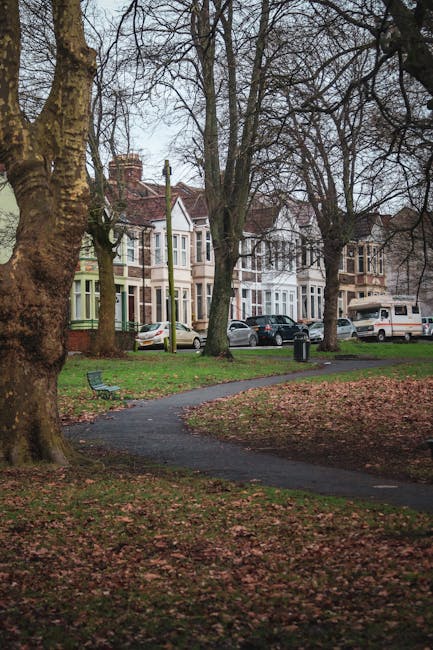
Homes near Hayes Park choose the right gardeners
Choosing a gardener sounds simple until you actually start comparing options. Then the questions arrive fast: who will turn up on time, who understands local gardens, who can handle the boring but vital maintenance jobs, and who will leave the place looking tidy rather than half-finished? For homes near Hayes Park, choosing the right gardeners is less about finding the cheapest quote and more about finding someone dependable, skilled, and easy to work with.
That matters even more in real life than it does on a list of services. A neat lawn, controlled hedges, and a tidy border can make a house feel calmer the minute you walk in. A neglected garden, by contrast, can quietly become a source of stress. This guide walks through how to choose well, what to look for, what to avoid, and how to get better long-term results from your garden care.
Whether you need one-off help after a busy season or regular support through spring, summer, and the wetter months, the aim is the same: choose a gardener who understands your space, respects your time, and gives you work you do not have to second-guess.
Table of Contents
- Why the right gardener matters for homes near Hayes Park
- How choosing a gardener works in practice
- Key benefits and practical advantages
- Who this is for and when it makes sense
- Step-by-step guidance
- Expert tips for better results
- Common mistakes to avoid
- Tools, resources and recommendations
- Law, compliance, standards and best practice
- Options, methods and comparison table
- Case study or real-world example
- Practical checklist
- Conclusion
- Frequently asked questions
Why Homes near Hayes Park choose the right gardeners Matters
Gardens around Hayes Park can be wonderfully varied. Some are compact and neat, others have mature hedges, larger lawns, awkward corners, decking, or mixed planting that needs a steady hand. The right gardener is not just someone with a mower and a pair of shears. They are the person who notices what your garden needs before problems become obvious.
Truth be told, that is where a lot of disappointment starts. Homeowners often assume all garden work is interchangeable. It isn't. Lawn mowing is not hedge trimming. Garden clearance is not landscape gardening. And a one-off tidy-up may not suit a garden that needs ongoing garden maintenance to stay healthy through the year.
For homes near a park, there can also be practical pressures: more leaf fall, more foot traffic nearby, and more temptation to let the garden slide because it is "only the back space". Then one day you step outside and notice the grass is patchy, the hedge is leaning, and the whole place feels bigger than you remember. Happens to the best of us.
Choosing the right gardener matters because it affects four things at once: appearance, plant health, safety, and your time. A good gardener keeps the garden under control without creating extra work for you. A poor one can leave waste behind, cut too much, miss obvious issues, or simply never quite finish the job.
If you want the bigger picture of what a service can include, it helps to look at a full services overview and compare that with what your garden actually needs. That simple check can save a surprising amount of confusion later.
How Homes near Hayes Park choose the right gardeners Works
The process is more straightforward when you break it into stages. First, you identify the type of work. Then you decide whether you need regular maintenance, a one-off tidy, or a more involved project such as new planting, structural changes, or resurfacing. After that, you compare gardeners not only on price, but on scope, communication, and trust.
A sensible gardener selection process usually looks like this:
- Define the job clearly. Is it lawn care, hedge trimming, clearance, or a bigger landscaping task?
- Check the fit. Some gardeners are ideal for routine upkeep, while others are better at transformation projects.
- Ask about approach. How do they handle waste, timing, access, and weather delays?
- Review trust signals. Look for clear business information, transparent pricing, and proper safety awareness.
- Compare like for like. Two quotes can look similar until you notice one includes waste removal, while the other does not.
That last point catches people out all the time. A low quote can look attractive, but if it excludes the messy bits-green waste, disposal, lifting heavy cuttings, or follow-up tidy work-it may not be the bargain it seemed.
In practical terms, the best gardeners for homes near Hayes Park are the ones who can match the garden's current condition and the homeowner's expectations. A lightly maintained lawn needs a different approach from an overgrown plot that needs a proper reset. If the space has become unruly, a garden clearance service may be the right starting point before anything else is planned.
And if your garden includes trees or heavy growth that is becoming awkward or unsafe, specialist help such as tree lopping and removal may need to be considered carefully. That kind of work should never be guessed at. Not worth it.
Key Benefits and Practical Advantages
The obvious benefit is a nicer-looking garden. Fine. But the real value goes further than appearance. A good gardener helps your outdoor space function properly, which is a very different thing.
- Less stress: You stop carrying the mental load of unfinished garden jobs.
- Better plant health: Regular care helps shrubs, hedges, and lawns stay in better condition.
- Safer access: Controlled growth reduces trip hazards and blocked pathways.
- Improved use of space: A tidy garden is easier to enjoy, not just easier to look at.
- More predictable costs: Planned maintenance is usually easier to budget for than emergency catch-up work.
- Better first impressions: This matters if you are preparing to sell, rent, or host family and friends.
There is also a quieter benefit people overlook: good gardeners make decision-making easier. Instead of wondering whether the hedge should be cut now or later, or whether the lawn is beyond rescue, you get a clear recommendation and a practical plan. That confidence has real value.
For many homeowners, especially those balancing work, family, and the usual London pace, the garden becomes a place that should recharge you, not nag at you. A well-run maintenance routine can make that happen. The smell of fresh cut grass on a dry afternoon, the cleaner lines along a border, the simple pleasure of not having to lift a rake yourself... it all adds up.
Who This Is For and When It Makes Sense
This is for homeowners who want their garden to stay manageable without having to do everything themselves. It is also for landlords, busy families, older residents who prefer dependable help, and anyone whose garden has become a little too much for one weekend and one broken promise to fix.
Choosing the right gardener makes especially good sense when:
- the lawn is no longer manageable with a quick cut
- hedges are blocking light or spilling into paths
- you need regular upkeep rather than ad hoc tidy-ups
- you are preparing a property for sale or new tenants
- the garden needs a seasonal refresh after neglect
- you have recently completed building work and want the outside space restored
- you want landscaping advice before spending money on changes
It also matters if you have multiple priorities. Maybe the front garden needs neat, low-effort maintenance, while the rear garden needs a bigger redesign. In that case, a gardener who also understands landscape gardening or broader landscaping can be a much better fit than someone who only handles basic mowing.
Some homes near Hayes Park will need specialist seasonal support, while others just need the basics done well. There is no shame in either. Gardens are lived-in spaces, and they change. A lot. Especially after one wet week and a mild spell, which in the UK seems to happen with suspicious frequency.
Step-by-Step Guidance
If you want a simple, practical way to choose well, use this approach.
1. Walk the garden before asking for help
Take a proper look. Not a five-second glance from the kitchen window. Walk the paths, check the hedge lines, note any dead patches, drainage issues, broken edging, overgrowth, or debris. Then decide what is bothering you most.
2. Separate maintenance from transformation
Routine work is different from a redesign. A gardener who is brilliant at regular lawn care may not be the right person for a full makeover. If the task involves structural changes, new levels, seating areas, or major planting, you may need a broader service mix.
3. Ask for the scope in plain English
Before agreeing to anything, ask what is included. Will waste be removed? Are clippings bagged? Is edging included? What about light weeding, or is that extra? The clearer the answer, the easier the decision.
4. Compare quote quality, not just quote size
Good quotes are specific. They tell you what work will happen, how often, and what the assumptions are. A vague quote is often a warning sign. To be fair, a lot of frustration comes from people not agreeing the details early enough.
5. Check reliability signals
Look for clear communication, sensible scheduling, and a professional attitude to safety and access. If a gardener seems rushed before the job even starts, that is usually telling you something.
6. Start with one visit if you are unsure
If you are not ready to commit to regular work, begin with a one-off service and see how it goes. You can learn a lot from one visit: punctuality, tidy finish, care with tools, and whether they notice the details that matter to you.
7. Review after the first job
After the work is done, ask yourself a simple question: would I trust them back next month? If the answer is yes, you have probably found a decent fit. If not, you've saved yourself from a longer headache.
Expert Tips for Better Results
A few small choices can make a big difference to the final result. These are the things experienced homeowners tend to learn after one or two disappointing hires.
- Give context, not just instructions. Instead of saying "cut it back", explain what matters most: light, privacy, access, or tidiness.
- Keep a short garden history. If a hedge was recently reduced or a lawn had disease last season, mention it.
- Ask for a seasonal plan. A garden usually improves when care changes with the weather, not when the same routine is repeated blindly.
- Be realistic about recovery time. A tired lawn will not become immaculate overnight. Sometimes it needs a few visits.
- Use maintenance to prevent bigger jobs. Regular lawn mowing and hedge trimming often stop more expensive work later.
One practical trick: keep photos of your garden at its best. It sounds almost too simple, but it helps a gardener understand the standard you want. A quick picture from last summer can be more useful than a long explanation.
Another tip, and this is a good one, is to be honest about budget. If you only have room for priority tasks this month, say so. A good gardener can often suggest a phased approach rather than trying to cram everything into one visit and everyone ending up slightly miserable.
Common Mistakes to Avoid
Most poor outcomes come from a handful of predictable mistakes. The good news is they are easy to avoid once you know what they are.
- Choosing on price alone. Cheap can work, but only if the scope is clear and the work quality is reliable.
- Not defining the job. "Tidy the garden" means different things to different people.
- Ignoring waste removal. Green waste creates bulk fast. It is not a minor detail.
- Booking the wrong type of service. Maintenance, clearance, and landscaping are related, but not the same.
- Skipping safety questions. This matters for ladders, cutting tools, tree work, and heavy lifting.
- Assuming one good visit solves everything. Sometimes a garden needs ongoing care to stay on track.
Another common issue is failing to notice communication style. If messages are brief, unclear, or hard to follow before work starts, they often stay that way. You do not need a dozen formal emails, but you do need basic clarity. A lot of it is common sense, really.
And yes, gardens can be emotional. People attach memories to them. A hedge planted by a parent, a lawn where the children played, a tired border that used to be the pride of the house. That is exactly why it helps to choose someone who treats the space with care, not just efficiency.
Tools, Resources and Recommendations
You do not need to become a gardening expert to make a good choice. You just need a few sensible reference points.
Useful things to ask about or keep in mind include:
- Service type: maintenance, clearance, hedge work, mowing, or landscaping
- Visit frequency: weekly, fortnightly, monthly, or seasonal
- Waste handling: who removes the clippings and trimmings?
- Access: side gate, rear entrance, parking space, locked areas
- Weather flexibility: what happens if rain delays the visit?
- Aftercare: will the gardener recommend follow-up work or a schedule?
If you are comparing services, it can help to look at the main options side by side. For example, a homeowner with a manageable lawn may only need lawn mowing, while a property with a heavy hedge line may need recurring hedge trimming plus seasonal maintenance. The garden tells you what it wants, eventually.
For more involved outdoor upgrades, you may want to explore decking services or broader garden improvement work. That makes sense if you are trying to improve how the space is used, not just how it looks.
If the garden has become cluttered or difficult to manage after a long period of neglect, start with garden clearance before worrying about the finer details. A clean base usually makes every later decision easier.
Law, Compliance, Standards and Best Practice
For garden work, the key point is not to overcomplicate things, but to take safety and responsibility seriously. Good gardeners should work in line with sensible UK health and safety practice, use appropriate equipment, and avoid risky shortcuts. That is especially important for tree work, ladder work, power tools, and waste handling.
Homeowners do not usually need to micromanage every technical detail, but it is reasonable to ask whether the business has proper safety processes, suitable insurance awareness, and a clear approach to risk. For more detail on how a business thinks about those issues, pages such as insurance and safety and health and safety policy are useful trust signals.
If a gardener is cutting trees, removing heavy branches, or working near structures, caution matters more than speed. Nobody wants a quick job that creates avoidable damage. Best practice in this area usually means using the right equipment, keeping the site tidy, and not pushing work beyond what is safe or sensible for the conditions.
There is also a sustainability side to garden work. Green waste should be handled responsibly where possible, and clients may reasonably care about recycling, reuse, and reduced waste. If that matters to you, look at a provider's approach to recycling and sustainability. It does not need to be complicated to be thoughtful.
Options, Methods and Comparison Table
Different gardens need different levels of support. This comparison should help you decide which route fits best.
| Option | Best for | Strengths | Watch-outs |
|---|---|---|---|
| Regular garden maintenance | Homes that need steady upkeep | Keeps everything under control, easier to budget | May not fix neglected areas on its own |
| One-off garden clearance | Overgrown or cluttered gardens | Fast reset, clears space for future planning | Does not always replace ongoing care |
| Lawn mowing only | Lawns that mainly need routine cutting | Simple, efficient, low disruption | Can miss edging, feeding, or broader issues |
| Hedge trimming and pruning | Boundary hedges and screening | Improves shape, light, and access | Timing and technique matter for plant health |
| Landscape or landscaping work | Gardens needing a bigger change | Improves layout, flow, and usability | Usually needs more planning and budget |
In simple terms: if the garden is "nearly there", maintenance may be enough. If it has drifted badly, start with clearance. If you want the space to feel different, not just tidier, then landscaping or landscape gardening becomes more relevant.
Case Study or Real-World Example
Imagine a typical home near Hayes Park with a rear garden that has become a bit of everything: a lawn that has grown unevenly, two hedges that have pushed outwards, some old pots, a border full of weeds, and a corner that has been ignored since last autumn. Nothing dramatic. Just enough to make the whole space feel heavier than it should.
In that kind of situation, the smartest first step is not a fancy redesign. It is a practical reset. The garden gets cleared, the hedge line is brought back, the lawn is cut and edged, and the owner is shown what can be maintained easily each month. Then, if desired, a second phase can focus on longer-term improvement such as planting structure, better access, or a small seating area.
The difference after one good visit is usually visible straight away. Light comes back into the garden. The borders feel defined again. Paths stop looking like afterthoughts. More importantly, the owner stops feeling slightly embarrassed every time they step outside. That is often the real win.
And here's the practical bit: once the garden has been reset, it is much easier to keep it that way. The right gardener does not just finish the job. They make the next job easier too. That's the bit people remember later.
Practical Checklist
Before you hire a gardener for a home near Hayes Park, run through this checklist:
- Have I clearly defined the work I want done?
- Do I know whether I need maintenance, clearance, mowing, hedge work, or landscaping?
- Have I checked what is included in the price?
- Do I know whether waste removal is part of the job?
- Have I asked how they handle access, timing, and weather disruption?
- Have I looked for sensible safety and insurance awareness?
- Does the gardener communicate clearly and reply in good time?
- Am I happy with the expected finish and level of tidiness?
- Do I understand whether this is a one-off job or an ongoing plan?
- Have I compared the quotes like for like?
Quick expert summary: the best gardener for your home is not always the most impressive on paper. It is the one who understands your garden, gives straightforward answers, and delivers consistent work without drama. That sounds basic, but honestly, basic done well is hard to beat.
Conclusion
For homes near Hayes Park, choosing the right gardeners comes down to fit, clarity, and trust. A good gardener should make your outdoor space easier to live with, not harder to manage. They should understand what your garden needs now, what it might need later, and how to keep the work practical rather than overcomplicated.
If you take one thing from this guide, let it be this: choose on value, not just price. Look at what is included, how the gardener communicates, whether they understand maintenance versus bigger transformation work, and whether they leave you feeling confident. That feeling matters.
Gardens are never just gardens, are they? They are where life spills outside a bit. Kids kick a ball about. Someone hangs washing. Tea gets taken out on a dry evening. The right gardener helps that space feel ready for everyday life again.
Get a free quote today and see how much you can save.
Frequently Asked Questions
How do I know if I need a gardener or a landscaper?
If you mainly need ongoing upkeep, trimming, mowing, or tidying, a gardener is usually the right choice. If you want to change the layout, install new features, or rethink how the space works, landscaping is a better fit.
What should I ask before hiring a gardener?
Ask what is included, whether waste removal is part of the quote, how often they recommend visits, and how they handle weather delays or access. Clear answers usually tell you a lot about how the job will go.
Is a one-off garden clearance enough for an overgrown garden?
Sometimes, yes, if the garden only needs a reset. But if growth returns quickly or the space has ongoing issues, you may want regular maintenance afterwards so it does not slide back again.
How often should a garden near Hayes Park be maintained?
That depends on the size of the space, how fast it grows, and how tidy you want it to stay. Many gardens do well with regular visits during the growing season, then lighter support later in the year.
What makes a gardener trustworthy?
Look for clear communication, a sensible scope of work, professional behaviour, and awareness of safety. Trust is often built in the small things: turning up when promised, tidying up properly, and not changing the job halfway through.
Do I need to prepare my garden before the gardener arrives?
A little preparation helps. Move small personal items, unlock gates if needed, and point out any awkward areas or plants you want kept. You do not need to tidy everything first, though. That would rather defeat the point.
Should I choose the cheapest quote?
Not automatically. A cheap quote can be fine if the scope is clear and the work is simple, but the lowest price is not always the best value. Compare what is included, not just the final number.
What if I only need help with the lawn or hedges?
That is perfectly normal. Many homes only need specific services, such as lawn mowing or hedge trimming, rather than a full garden service.
How do I choose between maintenance and a full garden makeover?
If the garden is fundamentally fine but needs care, maintenance is usually enough. If the layout, usability, or planting scheme feels wrong, then a makeover or landscaping project may be more appropriate.
Is it worth asking about sustainability?
Yes, if it matters to you. Some homeowners prefer a gardener who thinks carefully about waste, recycling, and reducing unnecessary material movement. A provider's approach to sustainability can be a useful tie-breaker.
What if my garden has a lot of clutter and old growth?
Start with a reset. Garden clearance is often the most practical first step when a space has become heavily neglected or difficult to use.
Can I mix regular care with occasional bigger projects?
Absolutely. Many people use regular maintenance for routine jobs and then bring in extra help for seasonal changes, hedge reductions, or larger improvements. That mix is often the most realistic approach.
Where can I learn more about the company before booking?
It is sensible to review the business background and practical service information first. Pages like about us, pricing and quotes, and contact us can help you make a better-informed decision.
In the end, the right gardener is the one who makes your outdoor life simpler, calmer, and a bit nicer to come home to. That's a good result, and a very human one.