Garden maintenance for Botwell estates gardeners in Hayes
If you live or work around Botwell estates and you want your outdoor space to look cared for all year, garden maintenance is one of those jobs that quietly makes everything else feel easier. Lawns stop looking tired, hedges stop taking over, paths stay clearer, and the garden becomes somewhere you actually want to sit with a cuppa on a bright Hayes morning. Simple enough in theory, a bit more demanding in real life.
This guide explains garden maintenance for Botwell estates gardeners in Hayes in plain English: what it involves, how a proper service should work, what to watch out for, and how to judge whether a maintenance plan is right for your property. Whether you manage a shared estate garden, look after a private plot, or just want a reliable routine rather than last-minute panic, you'll find practical answers here.
Expert summary: Good garden maintenance is not just about cutting things back. It is about timing, consistency, safety, and keeping the space healthy enough that it doesn't become a bigger job next month. That's the whole game, really.
Table of Contents
- Why it matters
- How the service works
- Key benefits and practical advantages
- Who it is for and when it makes sense
- Step-by-step guidance
- Expert tips for better results
- Common mistakes to avoid
- Tools, resources and recommendations
- Law, compliance and best practice
- Options, methods and comparison
- Case study or real-world example
- Practical checklist
- Conclusion
- Frequently asked questions
Why Garden maintenance for Botwell estates gardeners in Hayes Matters
Botwell estates gardens often face a familiar mix of pressures: compact outdoor spaces, regular foot traffic, shared boundaries, patchy shade, and the usual London weather that can swing from drizzly to surprisingly hot in what feels like the same afternoon. That makes routine care more valuable than occasional big clean-ups.
When maintenance slips, small issues start stacking up. Grass grows unevenly. Shrubs lose shape. Weeds settle into beds and paving joints. Leaves gather around drains. A hedge that was neat in spring can become overgrown by late summer, and then you are not maintaining the garden any more, you are rescuing it.
For estates and communal settings, that matters even more. A tidy garden helps with first impressions, resident satisfaction, accessibility, and day-to-day use. It can also reduce trip hazards, improve visibility near entrances, and make the whole space feel better cared for. Not glamorous, perhaps, but absolutely noticeable.
There is also a practical side. Neglected growth can hide pests, block light, smother borders, and put extra strain on the plants you actually want to keep. In our experience, most gardens do not fail dramatically; they slowly drift. Garden maintenance stops that drift.
If you are planning wider improvements as well, it can be sensible to look at the wider range of garden services available so the maintenance plan fits the garden rather than forcing the garden to fit the plan.
How Garden maintenance for Botwell estates gardeners in Hayes Works
A proper maintenance visit usually starts with a quick assessment. What needs doing now? What can wait? What needs a lighter touch because it is still establishing? That first look is more useful than people realise, because not every garden needs the same treatment every month.
Typical tasks include:
- lawn mowing and edging
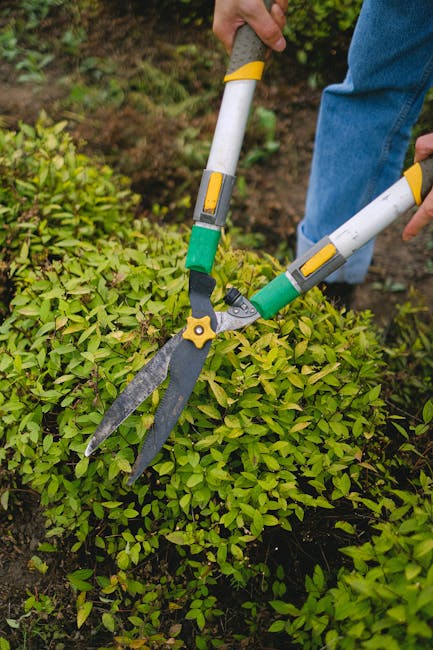
- hedge trimming and light reshaping
- weeding beds, borders, and paved areas
- pruning dead, damaged, or overextended growth
- leaf clearance and seasonal tidy-ups
- watering or checking moisture levels during dry spells
- checking plant health, support ties, and general presentation
Some gardens need more targeted work. For example, if the hedge line has grown unevenly or is starting to dominate the frontage, a dedicated hedge trimming visit may be more suitable than trying to squeeze everything into a standard tidy-up. Likewise, if the lawn has become patchy or too long, a proper lawn mowing service can reset the look without damaging the turf.
Where access is limited, shared, or awkward, the method matters as much as the result. Good gardeners work around residents, entrances, bins, parked cars, and delicate planting. That sounds obvious, but it makes a real difference in estate settings. A rushed cut can look fine for two days and poor for two months.
One thing to expect: maintenance should be consistent. A monthly, fortnightly, or seasonal schedule works better than random one-off visits, especially if the garden includes mixed planting, shrubs, and communal edges that grow at different speeds.
Key Benefits and Practical Advantages
The obvious benefit is appearance. A tidy garden looks cleaner, brighter, and better used. But the practical gains are often more valuable than the visual ones.
- Better plant health: regular pruning and weeding reduce competition and stress.
- Fewer surprises: issues are spotted early, before they become awkward or expensive.
- Safer access: clear paths, edges, and entrances reduce clutter and trip risks.
- More usable space: people are far more likely to enjoy a garden that feels cared for.
- Stronger curb appeal: neat planting and lawns improve the overall presentation of homes or shared spaces.
- Less emergency work: ongoing maintenance reduces the need for bigger clearance jobs later.
There is also a subtle benefit that people often forget: maintenance lowers decision fatigue. Instead of staring out at an untidy garden and thinking, "Right, where do I even begin?", you have a predictable routine. That alone can be worth a lot.
And truth be told, a garden that is kept under control is much easier to improve later. If you ever want to upgrade a border, add planting, or rethink a seating area, you are starting from a sensible base rather than wrestling with a jungle.
Who This Is For and When It Makes Sense
Garden maintenance is useful for a wide range of people, but it is especially helpful in Botwell estates where gardens may be shared, compact, or expected to stay neat for residents and visitors. If that sounds familiar, you probably already know how fast things get away from you in a wet spell.
This type of service makes sense for:
- estate managers who need a reliable routine for communal spaces
- landlords preparing gardens between tenancies
- homeowners who want regular upkeep without doing every job themselves
- older residents who prefer support with heavier or repetitive tasks
- busy families with limited time for ongoing outdoor work
- properties with hedges, lawns, borders, and seasonal growth that need attention throughout the year
It also makes sense if you are noticing small warning signs: weeds returning quickly, grass growing unevenly, hedges obscuring light, or leaves collecting in corners and around drains. Those are usually the clues that a garden has moved from occasional tidying into proper maintenance territory.
If the space has become heavily overgrown, a first step may be a deeper reset through garden clearance, followed by a maintenance routine to keep things manageable afterwards. That sequence is often more efficient than trying to maintain a garden that is already far beyond a normal tidy-up.
Step-by-Step Guidance
Here is a practical way to think about maintaining an estate or home garden in Hayes without making it more complicated than it needs to be.
- Walk the garden properly. Look at lawns, borders, hedges, access routes, bins, fences, and any awkward corners. You will usually spot the same trouble areas every time.
- Prioritise what affects use first. Paths, entrances, overhanging growth, and lawns are often the most visible and the most important to tackle early.
- Set the right schedule. Fast-growing gardens may need regular visits, while lighter planting or smaller spaces may only need seasonal attention. A one-size-fits-all plan rarely works well.
- Deal with weeds before they seed. This is boring work, yes, but it saves time later. Once weeds have set seed, they start the cycle again.
- Trim carefully, not aggressively. Hedges and shrubs usually respond better to steady, controlled shaping than harsh cutting back.
- Keep lawns consistent. Mow with the season in mind. Cutting too short in dry weather can scorch the grass and leave it looking tired.
- Clear and finish properly. Remove clippings, leaves, and cuttings so the space looks genuinely cared for rather than just half-finished.
- Review what changed. After each visit, note what grew fastest, what needs more attention, and what can be left alone for now.
That final step is underrated. A good gardener learns the rhythm of a site. A north-facing patch that stays damp behaves differently from a sunny frontage. A shrub bed beside a walkway has different needs from a quiet corner. Small details, but they matter.
Expert Tips for Better Results
A few habits make a surprisingly big difference over the course of a year.
First, think seasonally. Spring is about recovery and structure. Summer is about control and consistency. Autumn is about leaf management and preparing for wetter conditions. Winter is often quieter, but that is the best time to inspect, plan, and clear away weak or damaged growth.
Second, don't overcut. People often assume "shorter" means "better managed". Not always. With lawns, overcutting can stress the grass. With hedges, cutting into old bare wood can leave ugly gaps. Sometimes restraint is the clever move. A bit dull, maybe, but effective.
Third, keep borders visible. When beds become overfilled or muddled, maintenance gets harder. Clear edge definition makes weeding, mulching, and pruning much easier. It also makes the whole space look more deliberate.
Fourth, pair maintenance with improvement. If you already have a visit scheduled, that is a good moment to consider small upgrades like edging, replanting, or improving structure. Services such as landscaping or landscape gardening can support longer-term changes without disrupting the basic upkeep.
Fifth, keep an eye on waste handling. Garden cuttings, branches, and soil have to go somewhere. A tidy finish matters, and so does responsible disposal. If you care about that side of things, it is worth asking about recycling and sustainability practices.
And one more, because it saves arguments: if a shared estate garden has multiple people with opinions, agree the standard before the work begins. Otherwise everyone becomes a part-time director of horticulture, and nobody enjoys that.
Common Mistakes to Avoid
Most maintenance problems come from a few repeat mistakes. Nothing dramatic. Just the sort of thing that quietly causes work to pile up.
- Waiting too long between visits. A six-week delay is manageable; a six-month delay can become a rescue job.
- Cutting everything at once. Heavy-handed pruning can damage the shape or health of shrubs and hedges.
- Ignoring edges and finishes. A lawn that is cut but not edged can still look untidy.
- Leaving clippings behind. This can make a garden look messy and can encourage problems in damp weather.
- Overlooking access routes. A neat flower bed means little if paths are cluttered or slippery.
- Trying to manage overgrowth as routine maintenance. Once a garden has gone too far, it usually needs a reset first.
Another quiet mistake is treating every area the same. The front garden, side return, and communal rear space often need different rhythms. Sunlight, drainage, foot traffic, and planting style all change the maintenance picture. It's a bit messy, yes, but that is how gardens are.
Tools, Resources and Recommendations
You do not need a warehouse of equipment for effective garden maintenance, but the right tools make a big difference to finish quality and time spent on site.
| Task | Useful tool or approach | Why it helps |
|---|---|---|
| Lawn care | Sharp mower, edging tools, gentle seasonal cutting | Creates a clean, even finish and protects the grass |
| Hedge shaping | Hedge trimmers, hand finishing where needed | Keeps lines neat and avoids ragged edges |
| Weeding | Hand tools, regular inspection, mulch where suitable | Prevents weeds from taking over beds and paving |
| Leaf clearance | Rakes, blowers where appropriate, collection sacks | Stops slippery build-up and keeps drains clearer |
| Light clearance | Pruning saws, loppers, correct waste removal | Handles thicker growth without damaging nearby plants |
For properties with lots of lawn, a dedicated lawn mowing service can be the simplest way to keep things predictable. For hedged boundaries, hedge trimming is often the job that keeps the whole site looking orderly, even if the planting itself is fairly simple.
If the garden includes structures, raised edges, or hard landscaping features, those need attention too. A tidy planting area next to worn decking or broken paving never quite feels finished. In those cases, maintenance and improvement need to work together rather than compete.
Law, Compliance, Standards, or Best Practice
For most homeowners, garden maintenance is straightforward. But in estate settings, and especially where multiple residents or staff use the space, best practice matters more because safety and access matter more.
In plain terms, the key expectations are sensible ones: keep walkways clear, avoid leaving hazardous tools or waste around, manage work safely, and make sure any contractor on site understands the layout and any resident concerns. If trees are involved, larger cutting or removal should be handled carefully and only where appropriate. Heavy tree work is not the same as trimming a shrub, not even close.
That is why some jobs are better separated into specialist work, such as tree lopping and removal, rather than bundled into routine garden maintenance. It helps with safety, judgement, and realism. A small branch over a path is one thing; a mature tree with structural issues is another.
Professional providers should also have clear working practices around safety, insurance, and waste handling. If you are comparing options, it is reasonable to ask how they manage risk and what their site procedures look like. You do not need a lecture. Just clarity.
For peace of mind, some customers also prefer to review pages such as insurance and safety and health and safety policy before booking. That is simply good judgement, especially for communal or higher-traffic spaces.
Options, Methods, or Comparison Table
Not every garden needs the same kind of support. The right choice depends on how fast the space grows, how visible it is, and how much time you can realistically spare.
| Option | Best for | Pros | Trade-offs |
|---|---|---|---|
| One-off tidy-up | Seasonal reset or occasional refresh | Quick impact, good for neglected areas | Doesn't prevent future build-up |
| Regular maintenance | Homes, estates, and shared gardens | Stable appearance, fewer problems over time | Needs ongoing scheduling |
| Clearance first, maintenance later | Overgrown gardens | Resets the site before routine care begins | Can take more time at the start |
| Maintenance plus landscaping improvements | Gardens needing both care and upgrades | Improves look and function together | Usually requires more planning |
If you are unsure which route to choose, start with the condition of the garden right now. If it is relatively manageable, regular maintenance usually wins. If it has become unruly, clearance first may save effort. If the garden is functional but underwhelming, improvements through landscaping can be layered in gradually. No need to overcomplicate it.
Case Study or Real-World Example
Here is a realistic scenario from the kind of work often seen around Botwell estates. A communal rear garden looked fine from a distance, but residents were noticing that the edges were getting ragged, the lawn was growing patchy, and weeds had started creeping into the border nearest the path. Nothing disastrous. Just enough to make the space feel neglected.
The first visit focused on the basics: mowing, edging, clearing dead leaves, trimming the hedge line that was shading the path, and removing stray growth from the borders. That alone made the area feel lighter and more usable. The garden did not suddenly become new. It simply looked like someone was paying attention again. Which, to be fair, is often all a space needs.
The follow-up plan was simple: regular mowing through the growing season, periodic hedge trimming, and a seasonal tidy-up when leaves began to collect. The result was not dramatic in a brochure sense, but it was practical. Residents could use the space more comfortably, and the work became easier to manage over time.
That is usually the real goal with maintenance. Not perfection. Just control, consistency, and a garden that feels calm rather than demanding.
Practical Checklist
Use this checklist to judge whether your garden is on track or quietly heading into trouble:
- Are the lawns cut regularly and not scalped too short?
- Are hedges trimmed before they block paths, windows, or boundaries?
- Are weeds being removed before they spread?
- Are borders, beds, and planting areas still clearly defined?
- Are leaves and clippings cleared away after work?
- Are access routes, entrances, and shared areas safe and tidy?
- Is the garden being checked seasonally, not only when it looks bad?
- Do you know whether the site needs maintenance, clearance, or improvement work?
- Are waste and cuttings being handled responsibly?
- Is there a realistic schedule that matches how fast the garden grows?
If you can tick most of those off, you are in good shape. If not, don't panic. Most gardens just need a reset and a steadier rhythm. That's all.
Get a free quote today and see how much you can save.
Conclusion
Garden maintenance for Botwell estates gardeners in Hayes is really about keeping outdoor spaces useful, safe, and pleasant without letting the work spiral into a bigger problem. Done well, it saves time, protects plants, improves appearance, and makes shared or private gardens easier to enjoy through every season.
The best results usually come from consistency rather than dramatic effort. A steady mow, regular hedge care, sensible pruning, timely weeding, and clear finishes add up quickly. The garden feels calmer. Residents notice. You notice. Even on a grey day, a well-kept space has a kind of quiet dignity about it.
If you are planning your next step, think in terms of routine first, then improvements, then specialist work where needed. That simple order tends to keep gardens healthier and decisions easier. And if you're on the fence, well, the garden usually tells you when it's ready for help.
Frequently Asked Questions
What does garden maintenance usually include for estate properties?
It usually covers mowing, edging, hedge trimming, weeding, pruning, leaf clearance, and general tidying. In estate settings, it may also include access route checks and careful waste removal so shared spaces stay safe and presentable.
How often should a garden in Botwell estates be maintained?
That depends on the planting and season, but many gardens benefit from regular visits during the growing months and lighter checks in colder periods. Fast-growing lawns and hedges usually need more frequent attention than low-maintenance beds.
Is a one-off tidy-up enough, or do I need ongoing maintenance?
If the garden only needs a seasonal refresh, one-off work may be enough. If growth is regular, visible, or shared by multiple residents, ongoing maintenance is usually the better option because it prevents the space from drifting back into neglect.
What should I do if the garden is badly overgrown?
In that case, a clearance-first approach is often more sensible than standard maintenance. Once the worst of the overgrowth is removed, the garden can move onto a regular schedule that keeps it manageable.
Can maintenance help improve curb appeal quickly?
Yes. Even basic tasks like mowing, edging, and hedge shaping can make a property look far more cared for within a single visit. Small changes often create the biggest visual difference.
How do I know whether I need hedge trimming or general maintenance?
If the main issue is hedge shape, height, or boundary coverage, hedge trimming is the better fit. If the garden needs several tasks at once, a broader maintenance service is usually more efficient.
Is lawn care part of garden maintenance?
Very often, yes. Lawn mowing is one of the core maintenance tasks because it keeps the garden looking neat and prevents grass from becoming too long or uneven.
What are the most common mistakes people make with garden upkeep?
The biggest mistakes are leaving it too long between visits, cutting too much at once, ignoring weeds until they spread, and forgetting to finish the job properly by clearing waste and tidying edges.
Do communal gardens need a different approach from private gardens?
They usually do. Shared spaces need more consistency, clearer access management, and extra care around paths, entrances, and resident use. A communal garden can look untidy faster because more people pass through it.
What should I ask before booking a garden maintenance service?
Ask what is included, how often the work is recommended, how waste is handled, and whether the provider can deal with related jobs such as hedge trimming or clearance if needed. It helps to know the plan before work starts.
Can maintenance and landscaping be combined?
Absolutely. Maintenance keeps the garden under control, while landscaping can improve structure, layout, or usability. The two often work best together, especially if the garden needs both routine care and a bit of reshaping.
Why does responsible waste removal matter in garden work?
Because the job is not really finished until the site is clean. Clippings, leaves, and branches can make a space look messy again very quickly. Responsible disposal also supports a tidier, safer finish.