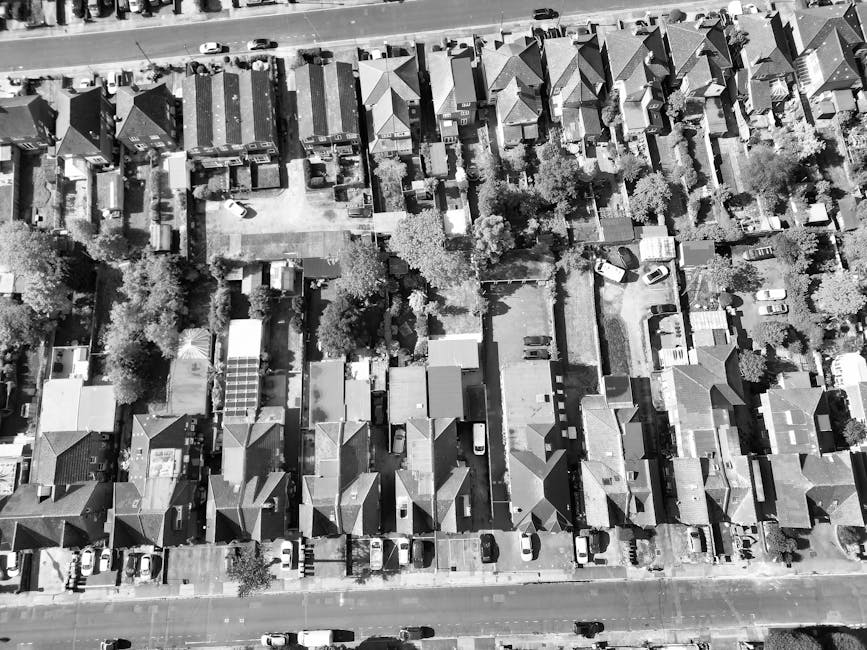
Common gardeners problems with drive access in Hayes
Drive access sounds simple until you try to move a mower, hedge trimmer, soil bags, waste sacks, or a wheelbarrow through a narrow side passage in Hayes on a damp afternoon. Suddenly, a routine garden job becomes a logistics puzzle. That is exactly why understanding the common gardeners problems with drive access in Hayes matters: it helps you plan work safely, avoid delays, and choose the right service approach for your property.
In many Hayes homes, the driveway, side return, and front garden layout create practical access issues that are easy to overlook at first glance. A few extra steps, a tight gate, a shared drive, or poor surface conditions can change the whole job. This guide breaks down the real problems gardeners run into, how access affects the work, what to do before booking, and when a more comprehensive service such as garden maintenance, garden clearance, or even landscaping may be the smarter route.
Let's face it: access is one of those things people only think about after the van has arrived. Better to sort it in advance.
Table of Contents
- Why drive access matters in Hayes
- How access affects garden work
- Key benefits of planning access properly
- Who this is for and when it makes sense
- Step-by-step guidance
- Expert tips for better results
- Common mistakes to avoid
- Tools, resources and recommendations
- Law, compliance, standards and best practice
- Options, methods and comparison table
- Case study or real-world example
- Practical checklist
- Conclusion
- Frequently asked questions
Why Common gardeners problems with drive access in Hayes Matters
Access problems are not just mildly annoying. They can affect the time it takes to complete a job, the amount of equipment that can be safely brought in, and the finish you get at the end. If a gardener has to drag tools through a narrow route, carry waste by hand over long distances, or work around parked cars, the job becomes slower and more physically demanding.
In practical terms, poor drive access often leads to:
- extra labour time
- more chance of minor damage to paving, gates, fences, or planting beds
- limited equipment choices
- difficulty removing green waste
- higher strain on the team, especially on hot days or when surfaces are slippery
For homeowners in Hayes, the issue can be even more noticeable where properties have shared drives, older front layouts, compact side entrances, or awkward turning spaces. A mower is one thing. A heavy bag of topsoil or a full load of cuttings is another. You notice it very quickly.
Practical takeaway: if access is tight, the job can still be done well, but it needs planning. Good access planning is not a luxury; it is part of getting a reliable result.
This is also why a garden contractor may ask about parking, gate width, surface condition, and waste removal before confirming a quote. It is not fussiness. It is how they avoid surprises later. For a broader overview of available services, see the services overview.
How Common gardeners problems with drive access in Hayes Works
Drive access affects garden work in a very direct way: every task has to pass through the same physical route. If that route is easy, the job flows. If it is awkward, each part of the job takes longer. That includes arrival, unloading, moving materials, collecting waste, and leaving the site tidy.
Here is what typically happens on a real job:
- The gardener assesses where the van can stop or park.
- They check whether tools, mowers, or waste sacks can pass through gates or side access.
- They look for obstacles such as bikes, bins, cars, planters, or narrow steps.
- They decide whether hand-carrying, smaller equipment, or multiple trips are needed.
- They plan where clippings, branches, soil, or rubble will be stacked before removal.
Sometimes the issue is not the drive itself but the route beyond it. A wide driveway can still lead to trouble if the side path is only just wide enough for one person, or if the surface is loose and uneven. Other times, the problem is parking: if the van has to stop far away, even simple hedge trimming becomes a series of back-and-forth trips. Bit tedious, honestly.
There is also a real difference between light routine work and heavier jobs. Lawn mowing may only need a mower and basic cuttings removal, while overgrown borders, branch removal, or reshaping a neglected front garden may require more frequent access and bulk waste handling. That is where planning with the right team, and sometimes arranging tree lopping and removal, becomes important.
Key Benefits and Practical Advantages
Sorting access early brings benefits that are easy to overlook when you are mainly thinking about the garden itself. The real value is not just convenience. It is control.
- Faster completion: less time lost moving tools and waste around.
- Cleaner finish: better route planning reduces the chance of mud, debris, or crushed borders.
- Lower risk of accidental damage: fewer tight turns and fewer awkward lifts.
- Better equipment choice: the team can decide whether larger or smaller machinery will work best.
- More accurate pricing: access conditions can be factored in properly from the start.
- Reduced disruption: less noise, fewer trips, and less disturbance for neighbours.
There is a hidden benefit too: better communication. If everyone understands the access constraints before work begins, the job feels calmer. No one is improvising while carrying a hedge trimmer through a cramped passage with a bucket in the other hand. That never ends well.
For larger jobs, access planning can also support cleaner site management. If waste is separated sensibly from the start, then services such as recycling and sustainability can be handled more efficiently. That is useful for both environmental reasons and general tidiness.
Who This Is For and When It Makes Sense
This topic matters for a lot of people, not just those with especially tight properties. In our experience, access issues show up in all kinds of gardens across Hayes.
You will benefit from thinking about drive access if you are:
- a homeowner with a narrow side entrance
- a landlord preparing a rental garden for handover
- a property manager handling recurring maintenance
- a resident on a shared driveway
- someone with a front garden, rear garden, or both, where equipment needs to move through the same route
- a customer arranging seasonal work after a period of neglect
It also makes sense if your garden includes features like steps, decking, heavy planters, awkward corners, or dense hedge lines close to the access route. For example, a carefully installed deck may look lovely, but if it narrows the path to the back garden, maintenance will always take a little more thought. If that sounds familiar, decking services and wider landscape gardening choices should be considered alongside everyday access.
Truth be told, many access problems are not dramatic. They are just small things stacking up. A gate that sticks. A bin store in the wrong place. A car parked across the only sensible route. Small stuff, big impact.
Step-by-Step Guidance
If you want better results, a simple process helps. Here is a practical way to deal with access before the garden work begins.
- Measure the route. Check gate width, path width, low walls, steps, and turning space. Do not guess.
- Look at the surface. Mud, gravel, loose slabs, moss, and steep slopes all affect how safely tools and waste can be moved.
- Identify obstacles. Cars, bikes, bins, furniture, hose reels, and plant pots should all be noted.
- Decide what must come through. A mower is different from a hedge cutter, chipper, ladder, or wheelbarrow.
- Think about waste removal. Ask how cuttings, branches, and soil will be carried out. If there is a lot of material, this matters more than people expect.
- Clear the route in advance. Move cars and remove anything that narrows the access.
- Share the details before the visit. A few photos and honest notes can save time and avoid friction later.
- Agree the working plan. Decide which entrance will be used, where waste will be stacked, and what happens if access is blocked on the day.
A little planning goes a long way. If the property needs a deeper tidy-up, combine the access discussion with garden clearance or ongoing garden maintenance so the workflow is consistent from one visit to the next.
Expert Tips for Better Results
There are a few habits that make a real difference. They are not flashy, just sensible.
- Take photographs from the access point. A photo of the gate, path, driveway, and any tight corner explains more than a long message.
- Keep the route clear on the day. Sounds obvious, but a parked car can derail the best plan in seconds.
- Use smaller loads where needed. It is often better to make several controlled trips than one overfull one.
- Protect vulnerable edges. Fresh borders, edging stones, and young plants can be damaged during movement in and out.
- Allow extra time for overgrown gardens. If hedges, branches, or brambles have narrowed the route, access becomes part of the job itself.
- Ask about insurance and safety. Any professional service should be clear about working safely on-site. See the company's insurance and safety information and health and safety policy for the kind of standards customers should expect.
One thing that is easy to miss: weather changes everything. A route that is fine in dry weather can become slippery and awkward after rain, especially on shaded drives or mossy paving. That morning drizzle at 8 a.m. can turn into a proper nuisance by 10.
Also, if hedge growth is causing the access issue, it is worth getting hedge trimming done before a bigger visit. Sometimes the best access fix is simply cutting back the thing blocking the route.
Common Mistakes to Avoid
Most access problems are avoidable. The main issue is that people only notice them once the job is underway. Here are the mistakes we see most often.
- Assuming "it should be fine". Access rarely goes smoothly on guesswork alone.
- Forgetting the waste route. You might get tools in easily, but getting waste out can still be awkward.
- Leaving parked vehicles in place. Shared drives and front parking can create delays fast.
- Not mentioning low gates or narrow turns. Small details matter. A lot.
- Choosing the wrong service scope. A light tidy-up may not be enough if access is blocked by overgrowth or heavy debris.
- Ignoring the condition of the surface. Loose slabs or soft ground can make repeated wheelbarrow trips inefficient and unsafe.
Another common mistake is expecting all garden work to be carried out the same way. A normal maintenance visit and a major clearance job are not identical. If access is difficult and the garden is badly overgrown, the job may need a different approach, and maybe a different day plan too. That is not a problem, just reality.
Tools, Resources and Recommendations
You do not need specialist kit at home to improve access, but a few simple tools and habits help a lot.
- Tape measure: useful for checking gate and path widths accurately.
- Phone camera: ideal for sending quick access photos before a visit.
- Basic clearing tools: broom, gloves, and secateurs for moving loose clutter and cutting small obstructing growth.
- Wheelbarrow or garden trolley: helpful if the route is long enough to justify it, though not always practical on tight turns.
- Temporary storage area: somewhere to stack cuttings or waste safely before collection.
From a service planning point of view, the most useful resource is clear communication. A short note describing the route, plus a couple of images, often does more than a long explanation. If you are comparing service options, the company's pricing and quotes page is a sensible place to understand how job scope and access conditions may affect the quote.
If your garden layout is part of a bigger redesign, a good starting point is the landscaping and landscape gardening work available, because access can sometimes be improved at the same time as the garden itself.
Law, Compliance, Standards and Best Practice
For most domestic garden jobs, the main focus is not legal complexity; it is safe, sensible working practice. Still, a few points matter.
Professionals should work in a way that reduces the risk of injury, avoids preventable damage, and respects the property boundary. That means sensible lifting, stable footing, careful tool use, and clear communication about access routes. If waste is being removed, it should be handled responsibly and in line with the provider's stated sustainability approach. Customers who care about this should check the company's recycling and sustainability information.
Where access is shared, blocked, or close to neighbouring property, it is good practice to be considerate about noise, mess, and temporary obstruction. Common sense goes a long way here. So does a quick heads-up to neighbours if a larger job is planned. Nobody loves having a van reverse in and out three times before breakfast.
For trust and professionalism, customers should also expect clear terms and conditions, transparent payment handling, and the ability to understand how the company manages complaints if something does go wrong. The relevant company pages, such as terms and conditions, payment and security, and complaints procedure, are the sort of pages that support that trust.
Options, Methods, or Comparison Table
When drive access is awkward, there is usually more than one way to get the job done. The right choice depends on the garden, the size of the task, and how much material needs to move.
| Method | Best for | Pros | Trade-offs |
|---|---|---|---|
| Standard access route | Clear gates, open drives, simple maintenance jobs | Fast, simple, lowest disruption | Not suitable if the route is narrow or blocked |
| Hand-carry approach | Tight side access, small loads, selective pruning | Flexible and precise | Slower; more physical effort |
| Smaller staged loads | Longer routes or shared access | Safer and easier to control | More trips, so less efficient |
| Clearance-first approach | Overgrown or cluttered gardens | Improves working space before the main task | May add time at the start |
| Layout improvement | Repeated access problems over time | Can solve the root cause | Needs broader planning and possibly more budget |
In plain English: if access problems are temporary, work around them. If they are ongoing, it may be worth improving the layout, not just the symptoms. That is often where broader landscaping becomes worthwhile.
Case Study or Real-World Example
Here is a typical scenario from a Hayes property. A front driveway looked spacious enough from the street, but the side access to the back garden narrowed between a fence and a brick wall. The gate opened only partially because a wheelie bin had been left too close, and the paving became slightly uneven after rain.
At first glance, this looked like a straightforward maintenance visit. In practice, the team had to:
- move the bin and clear the route first
- bring in tools one at a time
- take care around a soft patch near the side return
- stack cuttings neatly so they could be carried out without blocking the path
Nothing dramatic happened. That is the point. The job still got done, but only because access was checked early and adjusted on the day. If nobody had flagged the gate issue, the work would have started awkwardly and probably taken longer than planned. A small thing becomes a big thing when you are carrying half a hedge through it.
After the initial visit, the property owner arranged regular garden maintenance so the route stayed open and the hedge line did not slowly creep back into the access path. Simple fix, better outcome.
Practical Checklist
Use this checklist before any garden visit where drive access might be tight.
- Is the driveway or side access clear of cars, bins, bikes, and loose items?
- Can gates fully open without obstruction?
- Are there any narrow points, steps, or raised edges?
- Will the route stay reasonably dry and safe if it rains?
- Can tools, mowers, and waste sacks pass through without force?
- Is there enough space to turn, pause, or stack waste temporarily?
- Have you told the gardener about any shared access or neighbour boundaries?
- Are overgrown hedges or branches blocking the entrance?
- Do you know where waste will be collected from?
- Have you shared photos or measurements before the appointment?
If you want the route opened up before work begins, you may need one-off help with garden clearance or ongoing trimming support. It is usually cheaper and calmer to prepare access than to force a job through poor conditions.
Conclusion
Common gardeners problems with drive access in Hayes are usually less about major failures and more about small practical barriers: tight gates, awkward parking, narrow side passages, wet surfaces, and overgrowth that slowly eats into usable space. Once you spot those issues early, everything becomes easier to plan and easier to deliver.
The best results come from straightforward habits: measure the route, share photos, clear obstacles in advance, and choose the right type of service for the job. Whether you need routine upkeep, a larger clearance, or a broader garden redesign, access should be treated as part of the work, not an afterthought.
Get the route right, and the rest tends to follow. That is often the difference between a stressful visit and a smooth one.
Get a free quote today and see how much you can save.
Frequently Asked Questions
What are the most common drive access problems for gardeners in Hayes?
The most common issues are narrow gates, blocked side passages, shared driveways, parked cars, slippery surfaces, and access routes that are too tight for larger tools or waste removal.
Can gardeners still work if my driveway is narrow?
Usually, yes. A good team can often adapt by using smaller equipment, hand-carrying tools, or working in stages. The key is to mention the access issue before the appointment.
Why does drive access affect the quote?
Because difficult access can add time, extra handling, and more trips between the work area and the vehicle. A fair quote needs to reflect that practical difference.
Should I send photos of the access route before booking?
Absolutely. Photos are one of the easiest ways to explain what the gate, path, or parking situation really looks like. They help avoid misunderstandings.
What should I clear before the gardener arrives?
Move cars, bins, bikes, plant pots, garden furniture, and anything else that narrows the route. If possible, make sure gates can open fully.
Do overgrown hedges count as an access problem?
Yes, very often. A hedge that has spread into the path can make moving tools and waste much harder. In some cases, hedge trimming is the first fix before the main garden work.
Is wet weather a big issue for drive access?
It can be. Mossy paving, mud, and loose gravel become much trickier in wet conditions, especially if the route is already narrow or uneven.
What kind of jobs are most affected by poor access?
Heavier jobs such as garden clearance, branch removal, or larger landscaping tasks are most affected, because they involve more materials and more movement through the access route.
How do I know whether access is bad enough to mention?
If you have even a small doubt, mention it. A short note about a narrow gate, a shared driveway, or a tight side return is usually enough to help the gardener plan properly.
Can access problems be improved permanently?
Sometimes, yes. Depending on the layout, landscaping changes, hedge reduction, better storage, or small route adjustments can make repeated garden work much easier over time.
What if my access route crosses a neighbour's boundary?
It is best to explain that clearly in advance. Shared or boundary-adjacent access should be handled carefully and respectfully, with good communication and a tidy working plan.
Where can I learn more about the company's approach to safety and payments?
The most relevant pages are the company's insurance and safety information, health and safety policy, payment and security page, and terms and conditions. They help set out what a professional service should look like.